
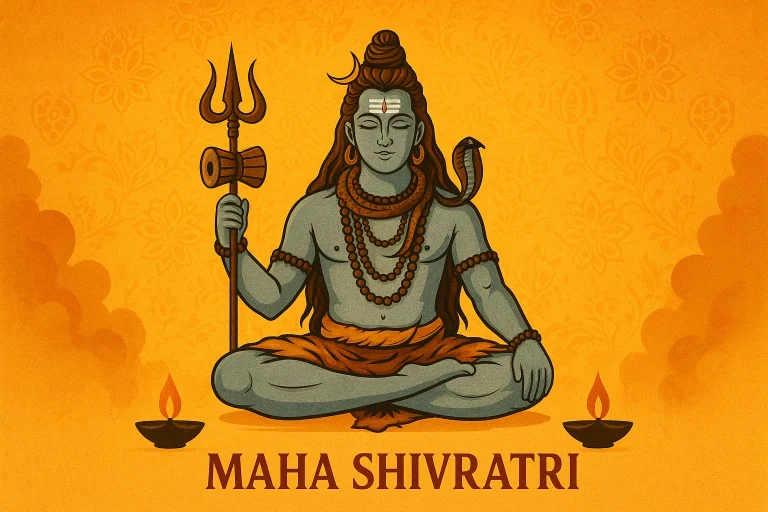
Maha Shivaratri means “Great Night of Shiva. Many visit temples and sing bhajans during chardham yatra by helicopter and Do Dham yatra by Helicopter.
Maha Shivaratri means “Great Night of Shiva.” It is a holy night. Devotees pray to Lord Shiva. They chant, offer water and milk to the Shiva linga, and stay awake. People think this night helps them get peace and remove dark thoughts. Many visit temples and sing bhajans.
History and Origin of Maha Shivaratri
Many old Hindu books tell stories about this night. One story says it is the day Shiva married Parvati. Another story says Shiva danced the big Tandava dance on this night. Some temples and saints say the night is for winning over darkness and wrong ideas. These tales come from the Puranas and long oral tradition.
Date and Timing of Maha Shivaratri
- Maha Shivaratri falls in the Hindu month of Phalguna (Feb–Mar).
- It is on Krishna Paksha Chaturdashi — the 14th day of the waning moon.
- Because the Hindu calendar is lunar, the exact date changes every year. For example, recent sources list dates and tithis for each year so people can plan puja and fasts.
Simple note: Check your local temple or trusted panchang for the exact day and the best time to do puja.
How Maha Shivaratri is Celebrated
People celebrate in simple, loving acts. Below is a clear list of common steps:
- Clean the house. Make a small place for puja.
- Visit a Shiva temple. Offer water, milk, bel (bilva) leaves, flowers and fruits to the Shiva linga.
- Do Rudrabhishek or Jalabhishek. Pour water or milk on the linga and chant “Om Namah Shivaya.”
- Stay awake at night. Sing bhajans, read stories of Shiva, or meditate.
- Fast. Many fast for whole day or night. Some eat only once, some take fruits and milk. (See foods section.)
Special events in big temples: Large temples like Kashi (Varanasi), Somnath, Mallikarjuna, Kedarnath and many others hold long pujas, special aartis and cultural programs. Big crowds come to these temples.
Foods and Fasting Practices on Maha Shivaratri
Many people keep a vrat. There are many safe and gentle fasting styles. Below is an easy table to show what is commonly eaten or avoided.
Eat on fast (allowed) | Why it is allowed | Avoid on fast |
Fruits, bananas | Easy to digest, give energy | Grains (rice, wheat) |
Milk, yogurt, paneer | Pure and sattvik | Onion, garlic |
Sabudana (sago), potatoes, sweet potato | Common vrat foods | Non-vegetarian food |
Makhana (fox nut), nuts, dry fruits | Energy and protein | Alcohol, tobacco |
Pumpkin, bottle gourd | Light vegetables used in vrat | Spicy, fried heavy food |
Sources and notes: Many reliable Indian news sites and lifestyle guides list these vrat foods and dos/don’ts used by families across India. Eat what your body needs. Ask a doctor if you are sick, old, or pregnant.
Simple fasting plans people use:
- Full fast: No food, only water.
- Fruit & milk fast: Eat fruits and milk only.
- Single meal fast: Eat one light meal at night after prayers.
Choose the one that is safe for you.
Maha Shivaratri in Different Regions of India
Maha Shivaratri is pan-India, but each place adds its own flavor. Here are clear and short notes by region:
- Varanasi (Kashi) — Huge crowds. Special Rudra puja and night-long prayers. Kashi is one of the top places to do Shivratri.
- Uttar Pradesh / Prayagraj — Many go for dip in river at Kumbh years. Large gatherings and temple rituals.
- Tamil Nadu — Many Shiva temples (like Chidambaram) do special dances and deep puja. People offer fruits and flowers.
- Kedarnath / Himalayas — Cold but devout. People come to ancient hill shrines.
- Mumbai / Maharashtra — Temples hold night bhajans and aarti; many perform abhishek.
- South India (Andhra, Karnataka) — Shiva temples host big poojas, music and bhajans at night.
Note: Local customs change. But the heart is same — love for Shiva.
Modern Relevance of Maha Shivaratri
Maha Shivaratri helps people pause. In busy life, the night brings calm. People use the day to think of right and wrong. Youth and families join temple programs. Many urban centers also have community pujas and clean shrines. The night also keeps old stories and art alive—bhajans, temple dances, and simple talks about good life. Official tourism groups list Maha Shivaratri as an important festival that draws visitors.
Tips to Celebrate Maha Shivaratri Devoutly
- Plan your fast with health in mind. If you have health issues, eat light food and talk to your doctor.
- Go to a temple early to avoid big crowds. Or watch a live stream if you can’t go.
- Offer bilva (bel) leaves if available — they are dear to Lord Shiva. If not, offer any fresh leaves and flowers.
- Use clean water and milk for abhishek. Do small acts: light a diya, fold hands, and say a short prayer.
- Stay awake in a calm way. Read a simple story of Shiva, sing softly, or meditate.
- Be kind. Donate food, help an elder, or feed birds. Small acts matter.
- Keep children safe. If you take kids to big temples, hold their hands and keep an ID.
- Avoid crowd risks. Follow temple rules, police directions, and safety signs.
Conclusion
Maha Shivaratri is a calm, strong night. It is about love for Lord Shiva and learning to beat darkness in life. People fast, sing, pray and stay awake with hope. Each region adds its own song, but the heart is same. Use simple acts — offer water, light a lamp, or feed a bird. Make one honest wish, take one small quiet step, and keep your night clean and kind.
FAQs
Q: Why stay awake all night?
A: To show love and to think about good things. Staying awake is a way to pray and learn calmness.
Q: Can children fast?
A: Young kids can do a small fast (fruits, milk) or join temple visits. Don’t make them do long fasts. Ask a doctor if unsure.
Q: Is Maha Shivaratri only for Shaivites?
A: No. Many people who like Shiva or Indian culture take part. It is a night to think of good and calm.