
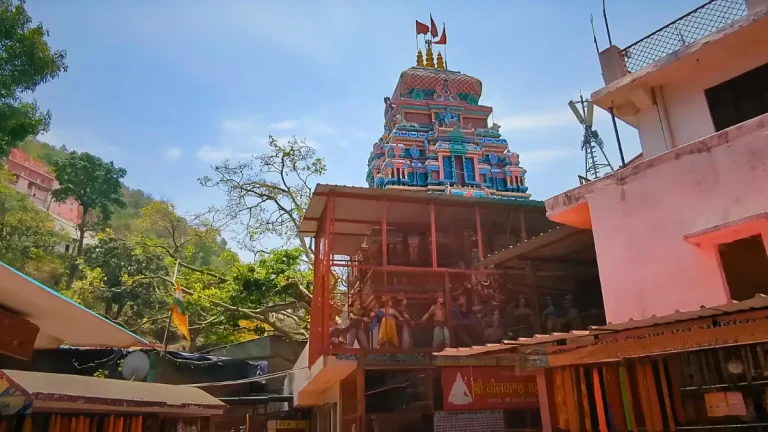
Neelkanth Mahadev is a holy temple for Lord Shiva and is often visited by pilgrims traveling during journeys like chardham yatra by helicopter or Do Dham yatra by Helicopter. People come here to pray and feel calm. The name neelkanth mahadev means the blue-throated Shiva. This name comes from the old story when Shiva drank a strong poison to save the world. The poison made his throat blue, so he is called neelkanth. The temple area is quiet and full of trees. The shrine is near small rivers and tall hills. Many visitors say the road up to the neelkanth temple feels like a small, peaceful trip. People love this place for prayer, a short trek, and nature. The temple is one of the well known Shiva sites near Rishikesh and Pauri Garhwal.
History + Mythological Story Behind Neelkanth Mahadev Temple
Long ago, there was a big event in the sky and sea. The gods and demons mixed the ocean to find a magic drink. Many things came out of the sea. One of those was a very strong poison. If it spread, the world would be hurt. Lord Shiva drank that poison to save the world. His throat turned blue. That is why he is called Neelkanth. People say the place where he sat and kept quiet after drinking the poison is where the Neelkanth Mahadev temple now stands.
Long time after that, people built a temple here to remember that day. The temple was made in a tall, layered style like some south temples. Many small statues and pictures show the story of the ocean churning. The inside holds a Shivaling. People touch it and pray. Many visits come to this place every year.
The local story says a kind man made the place into a temple. People fixed the path and built small houses for priests. Over time, the place grew. Now it is a calm site in the hills. Pilgrims come by foot, by bus, or by car. Some like to walk up the path and feel the forest and cool air. Many join the big day of Maha Shivaratri. On that day, the temple is full of people. Devotees sing and light lamps.
This place is not only for old stories. It is a place where people stop and think. They sit under trees. They give leaves, milk, and flowers to the god. They ask for peace and help. Many say they feel calm here. Some tell a small story of how the blue throat saved the world. You can tell that story in your own words. Ask a small question in your post like: did you ever hear a story that made you feel brave? That kind of line will make the page feel like you.
Neelkanth Mahadev Temple Timings & Darshan Details
The Neelkanth Mahadev temple usually opens early. Most guides say the temple opens at five in the morning and closes by six in the evening on normal days. This is what many travel sites and local pages show. Some sites show split timings as They say the temple opens in the morning, closes for a few hours, then opens again in the evening for darshan. If you go in the evening, check the hours before you leave. Timings can change on festival days.
There is no fixed entry fee for regular visitors. People give as they wish for special poojas. Aarti and special puja times are set by the temple priests. These aarti times can change on big days like Maha Shivratri. If you want to join aarti, ask the help desk at the temple when you reach.
Tip for darshan:
- Go early in the morning to avoid big crowds.
- Wear simple clothes. Respect the place.
- Follow the line and the helpers at the temple.
- Take water and a light sweater in cold months.
How to Reach Neelkanth Mahadev Temple
By Air
Nearest airport is Jolly Grant Airport (Dehradun). It is about fifty kilometres from the temple. Plan a taxi from the airport to Rishikesh and then to the temple.
By Train
You can come by train to Rishikesh Railway Station (closest). It is about thirty to thirty seven kilometres from the temple. Many long-distance trains stop at Haridwar Junction too. From Haridwar you can take a taxi or bus to Rishikesh and then to the temple.
By Road
From Rishikesh: The temple is about twenty six to thirty two kilometres by road. The drive takes around one hour to two hours depending on traffic and road conditions. Use a taxi, private car, or local bus. Shared jeeps and taxis leave from main points in Rishikesh (near Ram Jhula and bus stand). These are common for pilgrims.
Best Time to Visit Neelkanth Mahadev Temple
Season | Months | What the weather feels like | Why go now |
Spring (best) | Feb – Apr | Cool days. Fresh air. Clear skies. | Great time for darshan, photos, and short walks. |
Summer (good) | May – Jun | Warm to mild. Not too hot in hills. | Roads are open. Easy travel from Rishikesh. |
Monsoon (careful) | Jul – Aug | Rainy. Roads may be slippery. | The place is green and quiet. Some festivals (Shravan / Kanwar) happen. |
Autumn (best) | Sep – Nov | Cool and clear after rain. Lovely views. | Great for darshan and clear mountain views. |
Winter (okay) | Dec – Jan | Cold, especially mornings and nights. | Very quiet. Good for a calm visit if you like cold. |
Nearby Places to Visit Around Neelkanth Mahadev Temple
Here are five easy places you can visit near Neelkanth Mahadev Temple. Each one is short to read. All are close to Rishikesh and make a nice day out after your darshan.
- Ram Jhula & Laxman Jhula – These two hanging bridges are the heart of Rishikesh. People walk across, see the river, and visit small shops and cafes. You can take many photos and sit by the river for a while.
- Triveni Ghat – This is a quiet river place. People come here for the evening aarti (lamp prayer). It feels calm and nice when lamps float on the water.
- Beatles Ashram (Chaurasi Kutia) – This old ashram is where some famous musicians stayed long ago. Now it has art on the walls and quiet paths to walk. It is good for slow walks and thinking time.
- Rajaji National Park – A big green park with trees and wild animals. You may see deer, elephants, and many birds. The road to Neelkanth Mahadev Temple goes near this park, so be gentle and quiet for the animals.
- Shivpuri (Rafting & Adventure) – If you like the river, go to Shivpuri for river fun. Many people go for rafting and short camps. It is a lively place after calm temple time.
Don’t Visit Neelkanth Mahadev Before Reading These Do’s & Don’ts!
Do’s
- Do wear clean, simple clothes. Cover your shoulders and knees when you go inside neelkanth mandir.
- Do keep your shoes outside the temple. Carry a small bag to keep them.
- Do speak softly. The place is for prayer.
- Do carry water and some light snacks if you travel a long way. Throw trash only in bins.
- Do follow the queue. Wait your turn for neelkanth mahadev darshan.
- Do take photos only where allowed. Ask a priest or staff if you are not sure.
- Do respect the priests and local rules. Give space during aarti and puja.
- Do keep your phone on silent while inside neelkanth temple.
- Do wear comfortable shoes for the walk. The way to the temple has steps and stones.
- Do check weather and road condition before you go. In monsoon roads may be slippery.
Don’ts
- Don’t bring plastic bags, bottles, or food that you will throw away. Keep the hill clean.
- Don’t climb on walls or railings for photos. It is risky.
- Don’t smoke or drink alcohol near the temple. It is not allowed.
- Don’t shout, fight, or make loud noise. Keep calm.
- Don’t touch the priest’s items or the puja plate without permission.
- Don’t bring big luggage into the temple area. Use the parking or leave it in your vehicle.
- Don’t feed stray animals near the altar. It can be unsafe and messy.
- Don’t wear shorts or very thin clothes inside the main shrine. Be modest for shree neelkanth mahadev temple.
Conclusion
You are ready now. You have simple rules, quick tips, and safety notes for neelkanth mahadev. This place is calm and holy. It sits on a green hill near Rishikesh. Many people come to pray and see the blue-throated form of Shiva. If you go with care, your visit will be peaceful and safe. Plan your day. Go early in the morning to beat the crowd and heat. Wear simple, modest clothes for the shrine. Keep shoes outside and speak softly inside the temple. Carry water, a light sweater, and a small first-aid kit for kids or elders. These small things will make your trip easy and happy.
If you travel from Rishikesh, use a taxi or shared cab. Roads are winding and narrow in parts. Check the weather before you leave. In monsoon, take extra care — the road can be slippery. On big festival days like Maha Shivratri and Shravan, expect very large crowds and long waits. Plan for that day only if you like big gatherings. Help keep the hill clean. Use dustbins and avoid plastics near the temple. Wildlife and forest rules are important here. Authorities are making safety and crowd plans for big days. Follow staff directions if they ask you to move or wait. This keeps everyone safe.