A special form of Lord Shiva is represented by Shiva Nataraja. He is called the Lord of Dance because a very unique dance is shown by him. This dance is not just for show. It tells a story about life, creation, and change, much like a spiritual journey such as chardham yatra by helicopter.
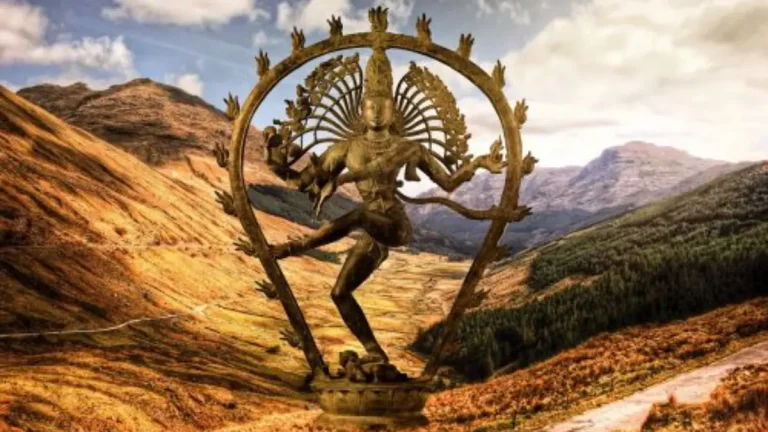
In his dance, Nataraja Shiva has four arms. Each hand has meaning. One hand holds a drum. It shows the start of a new life. Another hand holds fire, which means destruction. One hand points to his raised foot. It shows freedom and peace. The last hand shows protection to those who come to him.
Many temples have Nataraja sculptures. People admire them for the details. The posture, the ring of fire around him, and the steps of his dance all have meaning. Seeing Shiva Nataraja gives peace and hope. The Nataraja dance is more than art. It is seen as a symbol of balance, power, and calm in life. People offer prayers to him not just for blessings, but also to feel a connection with the world and its rhythm.
The Symbolism Behind Nataraja
Shiva Nataraja is not just a statue. He is a story in movement. Every part of his dance tells something about life. People do not see it as just a dance. It is about balance, change, and energy. The ring of fire around Lord Nataraja shows the world. Life goes in circles of birth, growth, death, and new beginnings. Fire also shows that sometimes things must end for new things to start. The small drum in his hand, called Damaru, shows creation. Every beat is like the heartbeat of the universe.
His raised foot gives hope. It shows that people can find freedom from fear. One hand points down to show protection. It is like saying, “Don’t worry. I am here for you.” The foot on a little figure called Apasmara means ignorance is defeated by knowledge. Even small things in the statue have meaning. The Nataraja dance also shows motion and stillness together. Life is always moving, but we can find calm. Seeing a Shiva Nataraja sculpture can make a person feel peaceful. It reminds them to be strong and follow the right path.
Nataraja in Hindu Temples and Art
You see Shiva Nataraja in many temples, especially in South India. People come from far places to see him. The statues are made of bronze or stone. Each Nataraja sculpture is made carefully. Even tiny details matter. His hands, the fire around him, and the way he stands all tell a story.
Some are small, some are very big. Many stay in temples. Some are in museums. People love them not just for the art. They love the meaning behind each part. Temples often keep Nataraja Shiva in a dance hall. People believe seeing him there brings peace. His dance shows life in one pose. It shows creation, destruction, protection, and freedom.
Even today, ideas are inspired by the Nataraja dance by artists and dancers. It is seen in paintings, carvings, and modern sculptures. These statues are considered more than religion. Culture, art, and life are shown through them. People are reminded to stay balanced and keep going, even when life is hard.
Nataraja and Cosmic Philosophy
The dance of Shiva Nataraja is more than just art. It tells about life and the world. Every move has a meaning. People say it shows how life keeps going. Birth, living, death, and new beginnings are all in the dance. The fire around Lord Nataraja is important. It shows destruction, but not bad destruction. It clears the way for new things. The drum in his hand, called Damaru, shows creation. Every beat is like the world’s heartbeat.
His raised foot gives hope. It shows people can be free from fear. One hand points down. It is like saying, “Don’t worry, I am here.” The foot on a little figure called Apasmara shows ignorance can be beaten by knowledge. The Nataraja dance is motion and stillness at the same time. Life keeps moving, but we can find calm inside it. Many see Nataraja Shiva as a symbol of balance. His dance shows that change is part of life, but everything has its own rhythm.
Even today, some people think about this dance when they study the world. It shows energy, time, and movement. Seeing Shiva Nataraja can make you feel connected to life. It teaches that even in chaos, there is order.
Nataraja’s Influence on Dance and Culture
Shiva Nataraja is famous for his dance. People say his dance shows life and energy. Many Indian dances are inspired by him. The Nataraja dance teaches balance and rhythm. In classical dances like Bharatanatyam, dancers copy Nataraja Shiva. They try to show his hand gestures, his steps, and his expressions. It is not only art. It is also devoted. People feel calm and happy when they follow his dance.
Artists make paintings and statues of Lord Nataraja. They show the fire, the drum, and the raised foot. Every detail tells a story. The art is not just for temples. It is for everyone to see and feel. Even today, schools and dance teachers teach Nataraja dance. Kids and adults learn moves and gestures. It helps them understand rhythm, energy, and tradition.
Seeing Shiva Nataraja or learning his dance reminds people that life is connected to art. Dance, culture, and devotion come together. Lord Nataraja continues to inspire people everywhere, even today.
Nataraja in Contemporary Worship and Art
People still pray to Shiva Nataraja. In temples, they light lamps. They offer flowers. Some just sit quietly and watch. Seeing Nataraja Shiva makes them feel calm. It feels peaceful. At home, people keep small Nataraja sculptures. They look at them every day. Sometimes they just stare. It makes them feel happy. It makes them feel safe.
The Nataraja dance is shown at festivals. Dancers copy his steps. They copy his hands. It tells stories about life. About creation. About freedom. Artists still make paintings and statues of Lord Nataraja. Some are old style. Some are new. People like them. They look beautiful. They have meaning.
Even outside India, people display Shiva Nataraja. In homes. In galleries. In studios. It shows balance. Peace. Energy. Worship and art together keep his story alive. People feel inspired.
Conclusion
Shiva Nataraja is not just a god. He is a story. His dance shows life. Creation. Protection. Destruction. Freedom. Seeing Nataraja Shiva makes people calm. It gives hope. The Nataraja dance teaches balance. It teaches rhythm. Life keeps moving, but we can still be inside. Lord Nataraja is in temples. In homes. In art. In dances. In stories.
The Nataraja sculptures are very beautiful. They tell stories without words. Fire. Drum. Raised foot. Everything has meaning. A connection to life is felt by people when they look at them. Even today, dancers and artists are inspired by Shiva Nataraja. His dance is alive. His energy is alive. People watch, feel, and remember. Life changes. Everything moves. Balance is possible.
In short, Shiva Nataraja is a guide. A teacher. A symbol. Seeing him or learning about him can bring peace, hope, and inspiration.